


Long before it became one of Atlanta’s most design focused areas, West Midtown thrived on rail lines, textile mills, and warehouses. Developers and preservationists chose to keep that industrial framework instead of erasing it. They restored it and built on it. Today, brick facades, steel trusses, and wide warehouse interiors house boutique shops, chef-driven restaurants, and refined event spaces. Westside Proper blends historic architecture with modern living in a way that feels intentional and grounded. These destinations show how Atlanta transforms industrial roots into lasting experiences.
Westside Provisions District
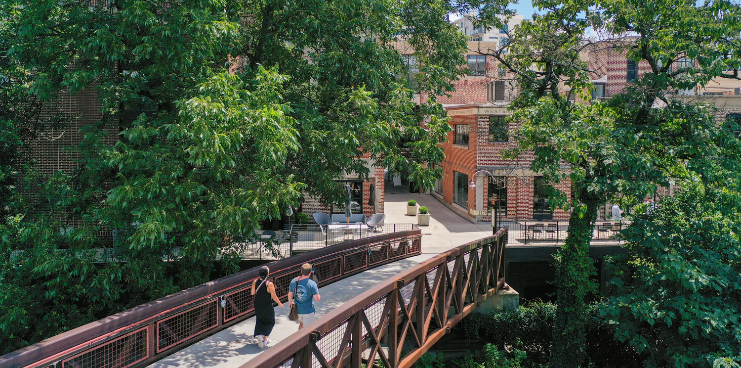
Westside Provisions District sits in a group of former industrial buildings. In the early 1900s, these brick structures supported Atlanta’s rail and warehouse activity. Rather than replace them, developers restored the buildings, keeping their original character.
Now, exposed beams, large factory windows, and brick walls frame upscale shops, popular restaurants, and modern offices. Because of this, the district is more than shopping and dining it is a setting shaped by history. As West Midtown grows, Westside Provisions remains a prime example of industrial property evolving into a refined destination.
White Provision
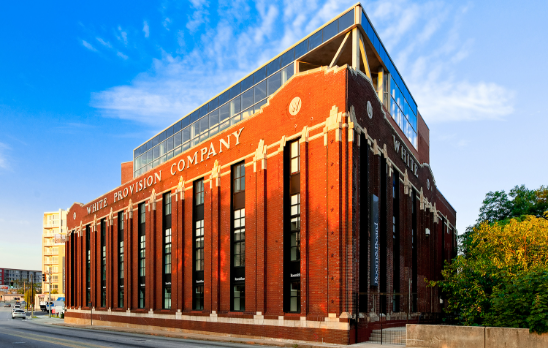
Built in 1910 as a meatpacking facility, White Provision supported Atlanta’s growing rail system. It is one of the oldest surviving industrial buildings in the area. Importantly, preservation efforts kept the brick exterior and heavy timber framing intact.
Today, White Provision houses shops, offices, and restaurants. Visitors can still see the exposed structural elements, which connect them to the building’s original purpose. Because the renovation respects the building’s scale and materials, it shows West Midtown’s industrial roots while serving modern needs.
Westside Paper
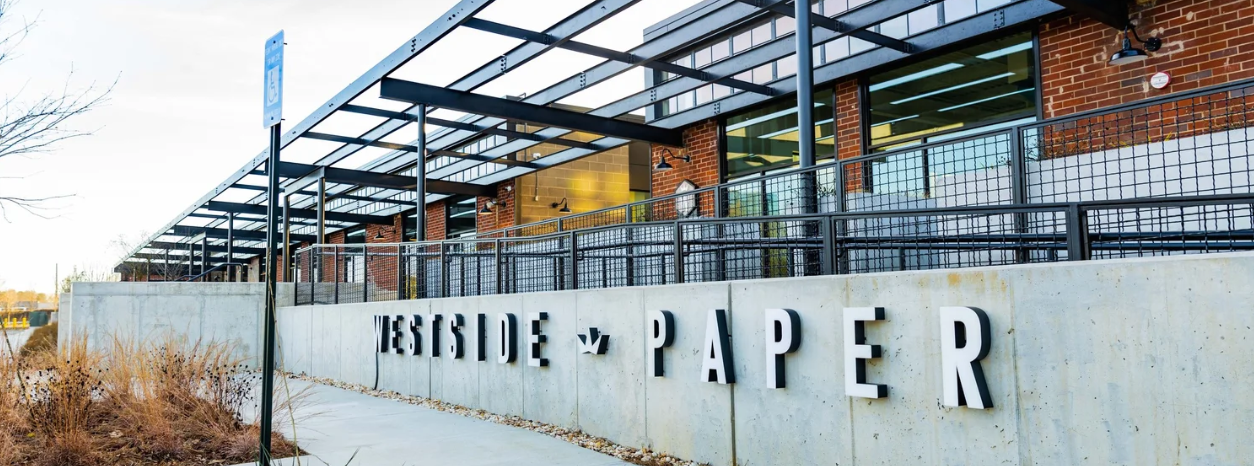
The Westside Warehouse, once Westside Paper, was a paper manufacturing and distribution facility. Workers used its open layout and high ceilings to store and move materials. Today, these features define the space. Exposed brick walls and expansive interiors highlight its industrial scale.
Currently, the venue hosts weddings, corporate events, and private celebrations. Planners use the open floor plan for flexible setups while keeping the original architecture in view. As a result, the space preserves a connection to the past, reflecting West Midtown’s wider transformation.
Westside Cultural Arts Center
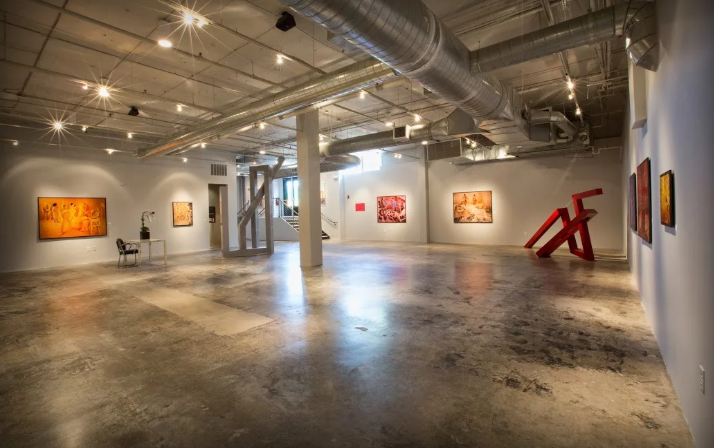
The Westside Cultural Arts Center occupies a former warehouse. The building supported commercial operations, and exposed brick walls and open spaces still show that history. During renovation, designers kept these structural elements visible.
Today, the venue hosts weddings, galas, and cultural events. Modern lighting and details add elegance without hiding the original architecture. Consequently, this balance of old and new shapes West Midtown’s identity.
Puritan Mill
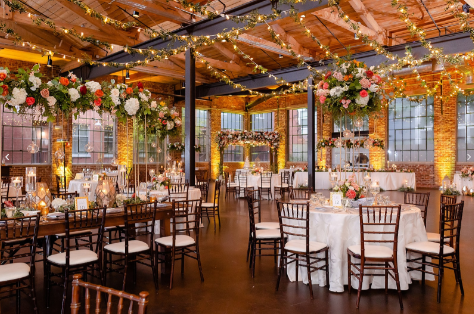
The Foundry at Puritan Mill sits in a building built in 1921 as a cotton processing facility. Its timber beams, brick walls, and large windows once supported mill operations. Now, these features define the space’s character.
The venue hosts weddings, corporate events, and private gatherings. Renovations preserved the building’s materials and layout. Therefore, the Foundry remains one of the most recognized examples of industrial reuse in West Midtown.
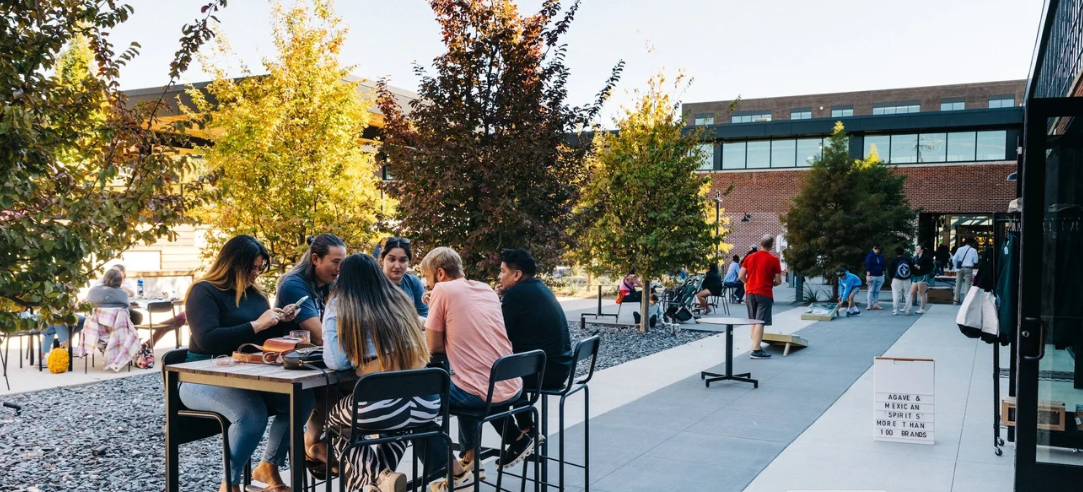
In West Midtown, luxury living does not erase history instead, it builds on it. Former warehouses and mills have been carefully restored as spaces for living, gathering, and experiencing the neighborhood. Exposed brick, tall ceilings, and large windows are now part of daily life.
Ultimately, Westside Proper shows that modern living and industrial heritage can coexist. History is not hidden it is the foundation of the neighborhood.


MORE Lifestyle STORIES
Get an inside vue on the latest in luxury. You heard it here first.