


While you may recognize Tyler Mane and Renae Geerlings from their starring roles in the likes of X-Men, Deadpool & Wolverine, and Rob Zombie’s Halloween, the pair recently made headlines for something completely unrelated to Hollywood. Tyler’s battle with breast cancer has been one of the biggest curveballs they’ve been dealt with yet— but it’s a journey they’ve navigated together. For 25 years, the multi-hyphenates have built a life and creative partnership, but recent challenges have pushed them to rethink what matters most. On their new podcast MANE AF, the couple tackles the complicated realities of midlife— from health and relationships to family, career changes and the uncertainty of what comes next— all while continuing to create, laugh, and move forward with life’s mayhem together.

Tyler, you’ve built a career playing some of Hollywood’s most physically imposing characters—from Sabretooth to Michael Myers—but your recent cancer diagnosis required you to confront a very different kind of battle. What has this experience taught you about strength, vulnerability, and asking for help?
TYLER:
My whole life, I’ve been the big guy. I was a wrestler, then I made a career playing these characters who seem almost indestructible. So you get used to thinking strength means pushing through whatever gets thrown at you.
Cancer doesn’t really care how big or strong you are. There are days when you’re tired, scared, frustrated, or you just don’t have anything left in the tank. I’ve had to learn that being strong can also mean admitting that and letting people help you.
That’s probably been the biggest lesson for me. Sometimes strength is putting your ego away, being vulnerable, and allowing the people who love you to show up for you.
Breast cancer is something most people associate with women, and you’ve been very open about how surprising—and at times embarrassing—it initially felt to receive that diagnosis as a man. What misconceptions do you hope your story helps break, and what do you want men to know about paying attention to their own bodies?
TYLER:
Yeah, I’ll admit it. I was embarrassed when I first heard “breast cancer.” It felt emasculating, even though logically I knew that didn’t make any sense.
But then we started learning more about male breast cancer and realized that embarrassment and lack of awareness are part of the problem. Guys tend to think, “It’s nothing. It’ll go away.” I did that myself.
So if talking about this gets one guy to feel a lump or notice something different and actually go get it checked, then it’s worth putting my ego aside. Men have breasts. Men can get breast cancer. There shouldn’t be anything embarrassing about taking care of yourself.
And if something in your body doesn’t feel right, don’t ignore it. Get it checked and advocate for yourself.
Renae, what was it like to navigate Tyler’s diagnosis alongside him, particularly as his wife and someone who also understands the pressures of working in the entertainment industry? How did the experience change the way you leaned on one another?
RENAE:
My natural response when something goes wrong is to go into problem-solving mode. What needs to happen? Who do we call? What are the next steps? Give me the information, and I’ll make a list. I love lists. And that’s useful, but you eventually have to admit that you’re also the wife and you’re scared.
The entertainment industry teaches you to keep moving. There’s always another meeting, deadline, audition, trip, or project. But cancer has a way of rearranging your priorities.
We’ve been together for 25 years and always considered ourselves a team, but this year made that much more literal. “In sickness and in health” stops being a platitude. I think we’re much more protective of each other now, and more aware that there might not always be time later to say something, fix something, or do something.
4. The two of you have worked together professionally as actors, writers, producers, and now podcast hosts. What have you learned about maintaining a strong marriage while also building a creative partnership—and is there ever such a thing as too much time together?
RENAE:
Oh, there is ABSOLUTELY such a thing as too much time together. We have separate offices for a reason.
We’re both strong personalities, so working together only works if we respect what the other person is good at. We’ve learned that we don’t have to agree on everything, and sometimes the best idea belongs to the other person. Which neither of us enjoys admitting.
TYLER:
And it’s usually my idea that’s good.
RENAE:
But underneath all of it, we genuinely like creating things together. We’ve made movies, written together, produced together, built a company together, made a comic book together, and now we’re doing the podcast. The marriage has to come before whatever project we’re working on, though. Projects come and go. We’re the thing that has to still be standing when they’re over.
You’re launching MANE AF, a podcast that tackles everything from midlife and marriage to reinvention, purpose, health, and the unexpected challenges that come with getting older. Why did now feel like the right time to have these conversations publicly?
RENAE:
Because apparently life decided to give us about five years’ worth of material in five months.
We were already talking about doing something around midlife because there are so many things nobody really prepares you for. Your body changes, your parents age, your kids become adults, careers shift, relationships change, and suddenly mortality isn’t some abstract concept anymore.
We were already dealing with that general stuff, and then in March Tyler lost his brother, in April Tyler was diagnosed with cancer, and in June I suddenly lost my dad. All of those wake-up calls came very close together.
TYLER:
And once I started talking publicly about cancer, people started sharing their own stories with us. That really hit home.
We’re not experts or gurus. We’re figuring this stuff out too. But maybe talking honestly about what we’re going through and bringing in people who actually do know what they’re talking about can make somebody else feel a little less alone.
Both of you have experienced significant reinvention throughout your careers. What does “success” mean to you now compared with what it meant when you first arrived in Hollywood?
TYLER:
When I was younger, success was always the next thing. The next wrestling gig, the next acting job, the bigger role. You’re constantly chasing something.
Now I think success is having the freedom to spend my time doing things I actually care about, with people I care about. I still love acting, and I still want to work, but I also want to create our own projects and enjoy the life we’ve built.
RENAE:
I think I used to measure success much more externally. Was I measuring up to other people’s standards? Now, time is the currency. Do I like the people I’m spending it with? Am I doing work that interests me? Am I making something meaningful?
Tyler, your career has often depended on physicality and portraying characters who appear virtually indestructible. Has going through cancer changed your relationship with your body or your perspective on what it means to be strong?
TYLER:
Definitely. I spent most of my life treating my body like a punching bag. Wrestling especially. You train it, beat it up, tape it back together, and go do it again. Then acting continued to depend a lot on my size and physicality. Cancer makes you look at your body differently. I’m paying attention now in a way I probably didn’t when I was younger. I’m thinking about health and longevity instead of just whether I can get through the next workout or job. And I don’t think being strong means pretending nothing hurts anymore. These days, if I wake up in the morning and nothing hurts, I’m gonna be dead. Sometimes, though, being strong means listening to your body when it tells you something is wrong. I learned that one the hard way.
You’ve created and produced The Last Spartan: Red Tape, while also using the project to support DeliverFund’s work combating human trafficking. How important has it become for you to attach a larger purpose or social impact to the creative projects you take on?
RENAE:
I don’t think every story has to carry a social message. Sometimes entertainment gets to just be entertainment. But The Last Spartan was different because the research changed us. We started with what we thought was a gritty action thriller, and the deeper we got into researching human trafficking, the more we realized that things we thought sounded like Hollywood fiction were happening to real people.
TYLER:
Once you know that, it’s hard to just put the book out and say, “Hope you enjoyed it.” Partnering with DeliverFund gave us a way to raise awareness and direct some support toward people who are actually fighting this every day. If we can tell a hell of a story and maybe do some good with it at the same time, that’s a pretty great combo.
Atlanta has become one of the most important production hubs in the country. Having worked extensively in film and television, what do you think Atlanta gets right about attracting filmmakers and productions—and what would you like to see the city do even more of to support Georgia’s growing entertainment industry?
RENAE:
One of the biggest things Georgia has done right is build an actual ecosystem. It’s not just stages anymore. You have experienced crews, actors, vendors, equipment, post-production resources, and incredible locations. You can drive a relatively short distance and make Georgia look like completely different parts of the country. And Atlanta is also a place where people can actually build a life, which is one reason we chose to live here.
I think the next step is continuing to invest in the people who live here. Not only bringing productions into Georgia, but creating more opportunities for Georgia writers, actors, filmmakers, and independent producers to originate projects here.
TYLER:
Keep the work here, keep the incentives competitive, and keep building the local talent base. The more complete the industry becomes here, the less anyone has to think of Atlanta as somewhere you just come to shoot. It becomes somewhere you create from the beginning.
If you could go back and give your younger selves one piece of advice about navigating Hollywood, marriage, health, and all of the unexpected twists that come with life, what would you tell them?
TYLER:
Take better care of your body. You’re going to need that damn thing longer than you think.
And don’t spend so much time worrying about the next job. Some things work out, and some don’t. Keep moving, keep creating, and appreciate the people who are there with you.
RENAE:
Mine would probably be to feel the fear and do it anyway. I struggle with that.
I spent a lot of years thinking I needed to know exactly where something was going before I started. You don’t. Careers change. Plans fall apart. People surprise you. Life definitely surprises you.
And I’d tell both of us not to assume there will always be more time. Make the thing. Take the trip. Say the thing. Call your parents. Take care of your body. Tell people you love them.
Most of the stuff you’re worried about right now is not going to matter nearly as much as you think it does.
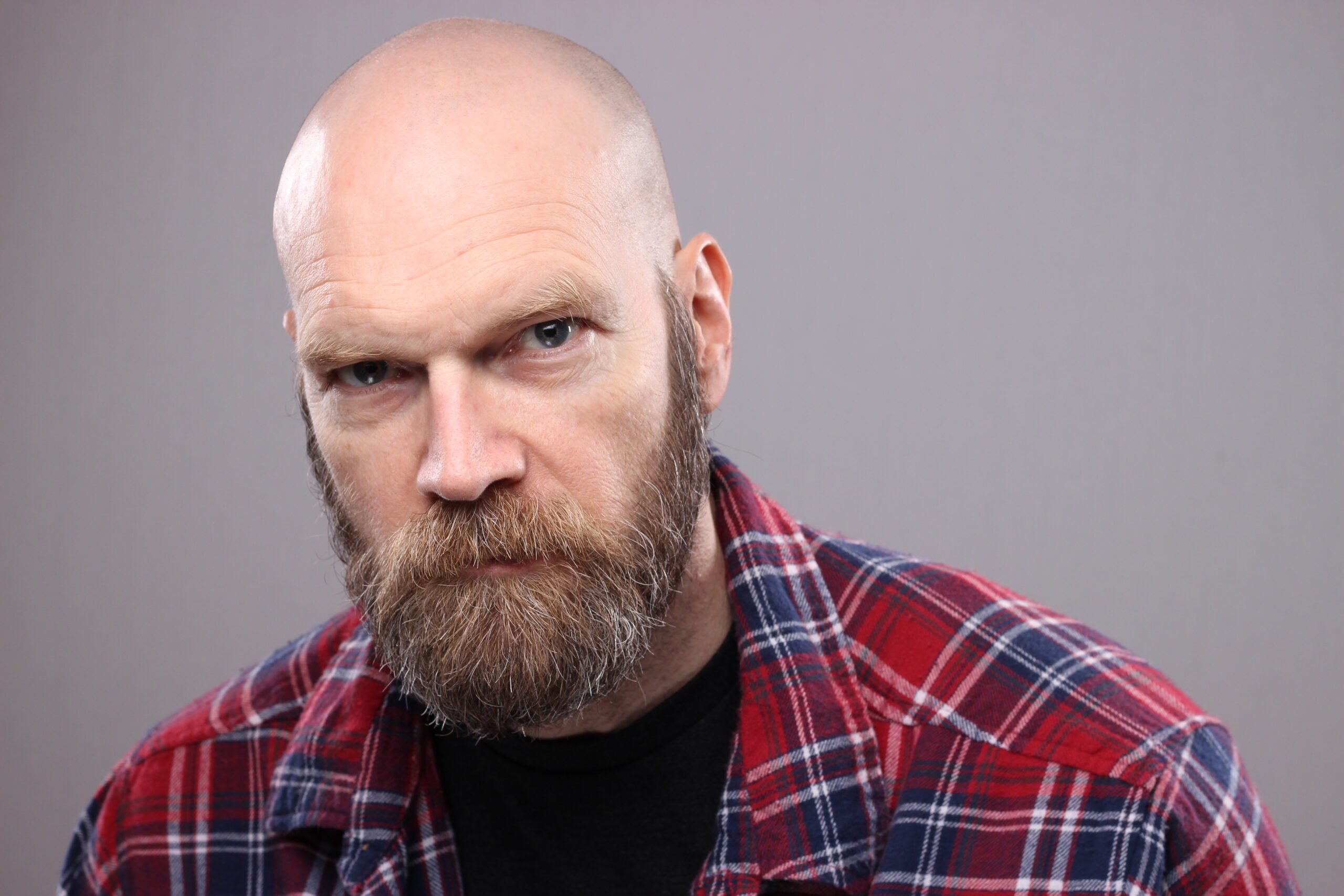
You can listen to MANE AF on Spotify, Apple Podcasts, and YouTube, and keep up with them on IG:@MANEAFPOD, @TheRealTylerMane, and @RenaeeGeerlings


MORE FEATURED STORIES
Get an inside vue on the latest in luxury. You heard it here first.